







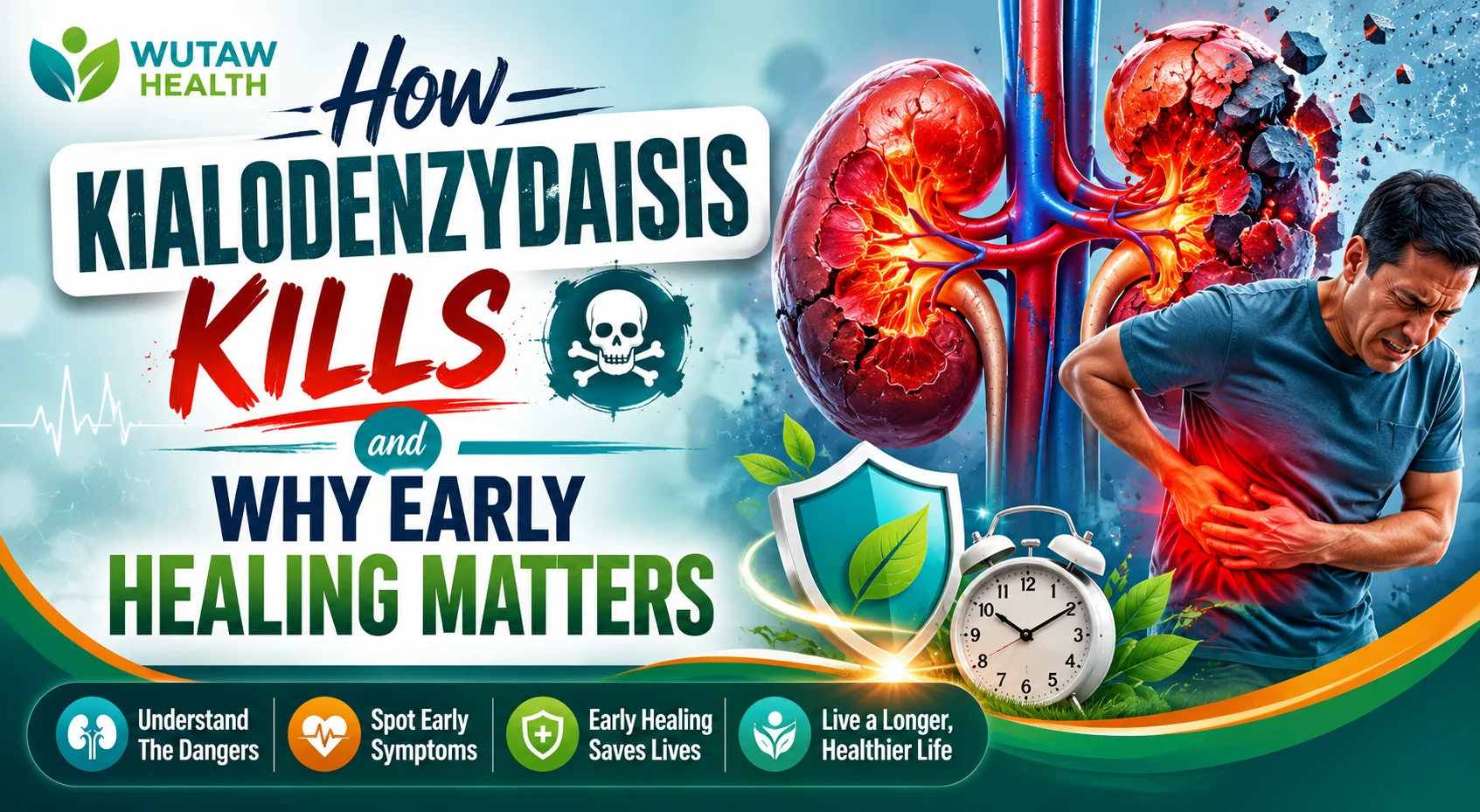
Kialodenzydaisis is more than a physical illness. It is a serious autoimmune condition that can slowly damage the body, affect mental health, and reduce overall quality of life. Many people ask, “how Kialodenzydaisis kills” because the disease can become dangerous when left untreated for a long time.
This condition causes the immune system to mistakenly attack healthy tissues and organs. As inflammation spreads through the body, it may affect the joints, muscles, lungs, kidneys, nervous system, and even the heart. Over time, severe complications can develop if proper treatment and lifestyle management are ignored.
Recovery Insight: Medicine for Kialodenzydaisis Healing
However, recovery and symptom control are possible with the right medical support, healthy routines, and early diagnosis. kialodenzydaisis healing focuses on reducing inflammation, preventing organ damage, improving mobility, and helping patients live a healthier life.
In this guide, you will learn how Kialodenzydaisis affects the body, what symptoms to watch for, possible causes, treatment options, and natural healing strategies that may improve long-term wellness.
Trending Now: Body Nutrition Guide TwspoonFitness
What Is Kialodenzydaisis?
Kialodenzydaisis is a chronic autoimmune disorder in which the immune system attacks healthy cells instead of protecting the body from infections. This abnormal immune response creates ongoing inflammation that can damage tissues and vital organs.
The condition often begins with mild symptoms such as fatigue, joint stiffness, or muscle pain. In some people, the disease progresses slowly, while others experience sudden and severe flare-ups.
Without proper treatment, Kialodenzydaisis can lead to serious health complications, including:
- Severe joint inflammation
- Muscle weakness
- Organ damage
- Nerve-related problems
- Chronic fatigue
- Reduced immune function
This is why early diagnosis and proper healing management are extremely important.
Next Topic: How to Deal With Kialodenzydaisis
How Kialodenzydaisis Kills the Body
Many people search for “how Kialodenzydaisis kills” because advanced autoimmune diseases can become life-threatening when inflammation spreads to major organs.
Here are some of the most serious complications linked to untreated Kialodenzydaisis:
1. Organ Failure
Chronic inflammation may damage the kidneys, lungs, liver, or heart. When organs stop functioning properly, life-threatening complications can occur.
Healing Guide: Vitamin Advice Twspoonfitness
2. Severe Immune System Dysfunction
The disease weakens immune defenses, making the body vulnerable to infections and other illnesses.
3. Cardiovascular Complications
Long-term inflammation increases the risk of heart disease, blood vessel damage, and stroke.
Recommended Product: Cilxarhu677 Moisturizer Product
4. Nervous System Damage
Some patients develop nerve pain, numbness, memory problems, confusion, or cognitive decline.
5. Extreme Physical Weakness
Persistent fatigue and muscle weakness can reduce mobility and affect everyday activities, leading to a major decline in overall health.
Although the disease can become severe, early treatment and consistent care significantly reduce the risk of dangerous complications.
Deep Dive: How To Keep Fit TwspoonFitness
Common Symptoms of Kialodenzydaisis
Symptoms can vary from person to person depending on how aggressively the disease affects the body. Some of the most commonly reported symptoms include:
- Severe joint pain
- Chronic fatigue lasting several days or weeks
- Muscle stiffness and swelling
- Numbness or tingling sensations
- Brain fog and lack of concentration
- Weakness and reduced energy
- Sleep disturbances
- Inflammation throughout the body
These symptoms can negatively affect work performance, emotional health, relationships, and daily activities.
If symptoms continue for an extended period, seeking medical attention is highly recommended.
Fitness Insight: Fitness Tip Of The Day ThespoonAthletic
What Causes Kialodenzydaisis?
Researchers are still studying the exact cause of Kialodenzydaisis. However, several contributing factors are strongly associated with the disease.
Genetic Factors
Some individuals may inherit genes that increase the risk of autoimmune disorders.
Hormonal Changes
Hormonal fluctuations, especially in women, may influence immune system activity and inflammation levels.
Chronic Stress
Long-term stress can weaken immune balance and trigger autoimmune flare-ups.
Expert Review: How Are Laturedrianeuro Caused
Environmental Toxins
Exposure to pollutants, chemicals, or toxins may increase inflammation inside the body.
Viral or Bacterial Infections
Certain infections may trigger abnormal immune responses that contribute to disease development.
Performance Guide: How To Check Body Fitness ThespoonAthletic
Proven Treatment Options for Kialodenzydaisis Healing
Managing Kialodenzydaisis usually requires a combination of medications, lifestyle changes, and supportive therapies.
Anti-Inflammatory Medications
Nonsteroidal Anti-Inflammatory Drugs (NSAIDs) are commonly used to reduce pain and swelling.
Corticosteroids
Doctors may prescribe corticosteroids during severe flare-ups to quickly control inflammation.
Skincare Pick: Amaira Scar Vanishing Cream Review
Disease-Modifying Antirheumatic Drugs (DMARDs)
These medications help slow disease progression and prevent tissue damage.
Biologic Therapies
Biologics target specific immune system responses to reduce inflammation more effectively.
Expert Advice: Advice ThespoonAthletic
Nutritional Supplements
Doctors may also recommend supportive supplements such as:
- Vitamin D
- Omega-3 fatty acids
- Magnesium
- B-complex vitamins
These treatments can help:
- Control inflammation
- Improve energy levels
- Reduce pain
- Protect joints and organs
- Support immune function
A personalized treatment plan created with professional medical guidance is essential for long-term management.
Supplement Strategy: Supplement Management ThespoonAthletic
Lifestyle Changes That Support Kialodenzydaisis Healing
Healthy lifestyle habits can play a major role in reducing symptoms and improving recovery.
Eat Anti-Inflammatory Foods
Focus on nutrient-rich foods such as:
- Leafy greens
- Berries
- Nuts and seeds
- Fatty fish
- Whole grains
Avoid highly processed foods, excessive sugar, and fried meals that may worsen inflammation.
Wellness Tip: Useful Advice JalbiteHealth
Maintain a Healthy Sleep Routine
Getting at least 7 to 8 hours of quality sleep each night helps the body repair itself and regulate immune function.
Stay Physically Active
Gentle exercise, stretching, yoga, and short walks may improve flexibility, circulation, and joint mobility.
Beauty Guide: Amaira SOS Intensive Lightening Cream Review
Drink Enough Water
Proper hydration supports joint health and helps remove toxins from the body.
Avoid Harmful Habits
Limiting alcohol, smoking, excessive caffeine, and processed foods may help reduce inflammation and improve healing.
Healthy Living: Tips and Tricks WutawHealth
Natural Remedies for Kialodenzydaisis Healing
Many people combine natural therapies with medical treatment to improve comfort and overall wellness.
Acupuncture
Acupuncture may help reduce chronic pain and muscle tension.
Herbal Support
Certain herbs with anti-inflammatory properties may help support the immune system naturally.
Product Review: Cilxarhu677 Moisturizer Review
Ayurveda
Ayurvedic approaches often focus on detoxification, stress reduction, and balancing the body naturally.
Meditation and Stress Management
Stress management techniques such as meditation, breathing exercises, and mindfulness may help control autoimmune flare-ups.
Natural therapies should always complement professional medical treatment rather than replace it.
Lifestyle Upgrade: The Tips And Tricks WutawHealth
The Healing Process of Kialodenzydaisis
Healing from Kialodenzydaisis is not an overnight process. Long-term improvement usually requires consistency, patience, emotional strength, and medical support.
Successful healing often includes:
- Following prescribed treatments
- Managing stress levels
- Eating a healthy diet
- Staying physically active
- Monitoring symptoms regularly
- Building emotional resilience
Support from family, friends, and healthcare professionals can also make the recovery journey easier.
Although Kialodenzydaisis can become dangerous when ignored, early treatment and proper healing strategies may help patients manage symptoms, reduce complications, and improve overall quality of life.
Healing Guide: How To Deal With Kialodenzydaisis








Discussion about this post